Cleanroom Cable Carriers
WWC cleanroom carriers are built for semiconductor, LCD and pharmaceutical cleanrooms, with low particle emission and low noise for Class 100 and above.
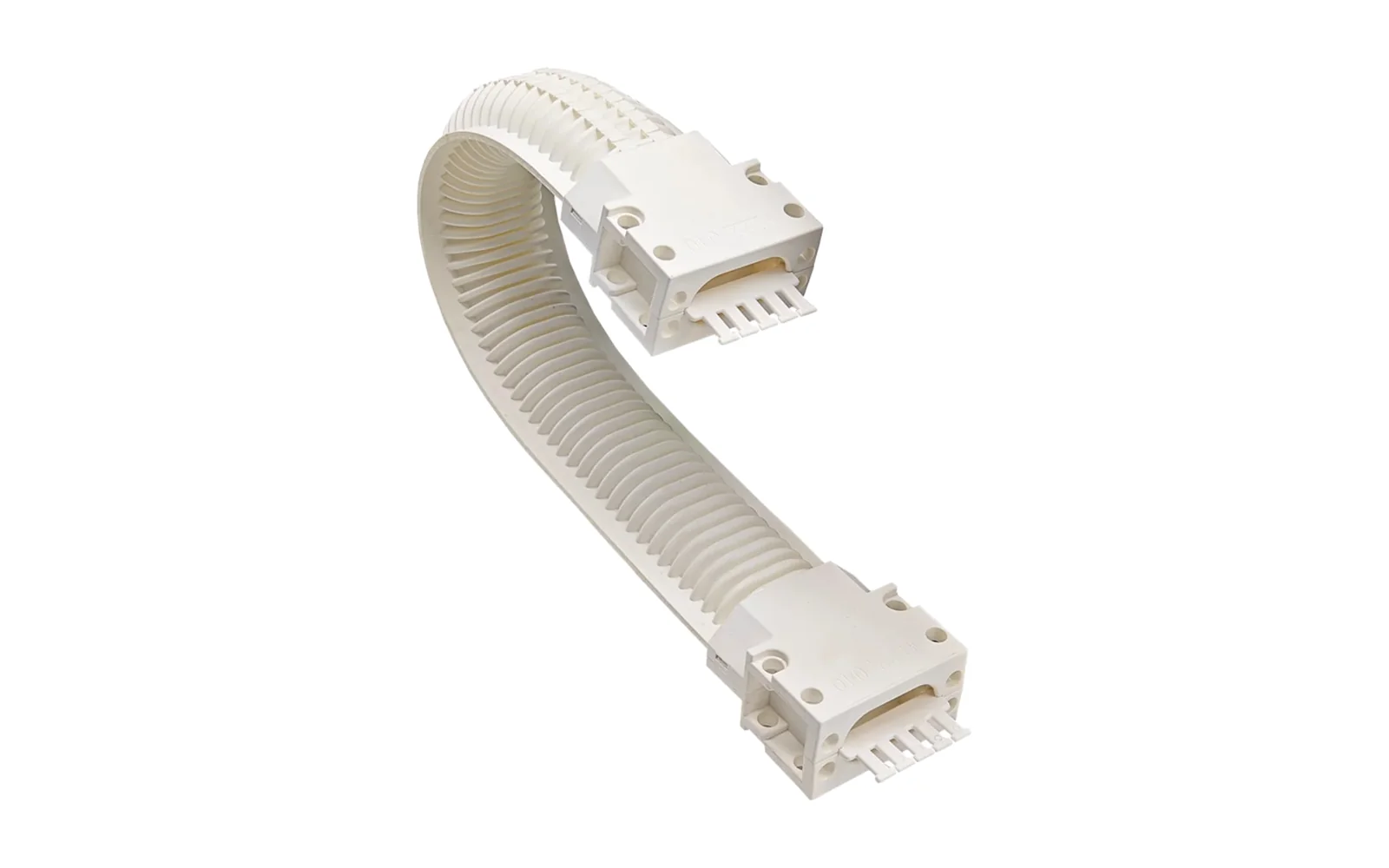
A cleanroom carrier is not a standard carrier with a lid. Inside a cleanroom it does two jobs at once: carry the cables, and avoid releasing particles into the environment. Most selection mistakes come from looking only at the first job - the chain runs, but emission exceeds the limit and the line fails acceptance.
Applications
Series
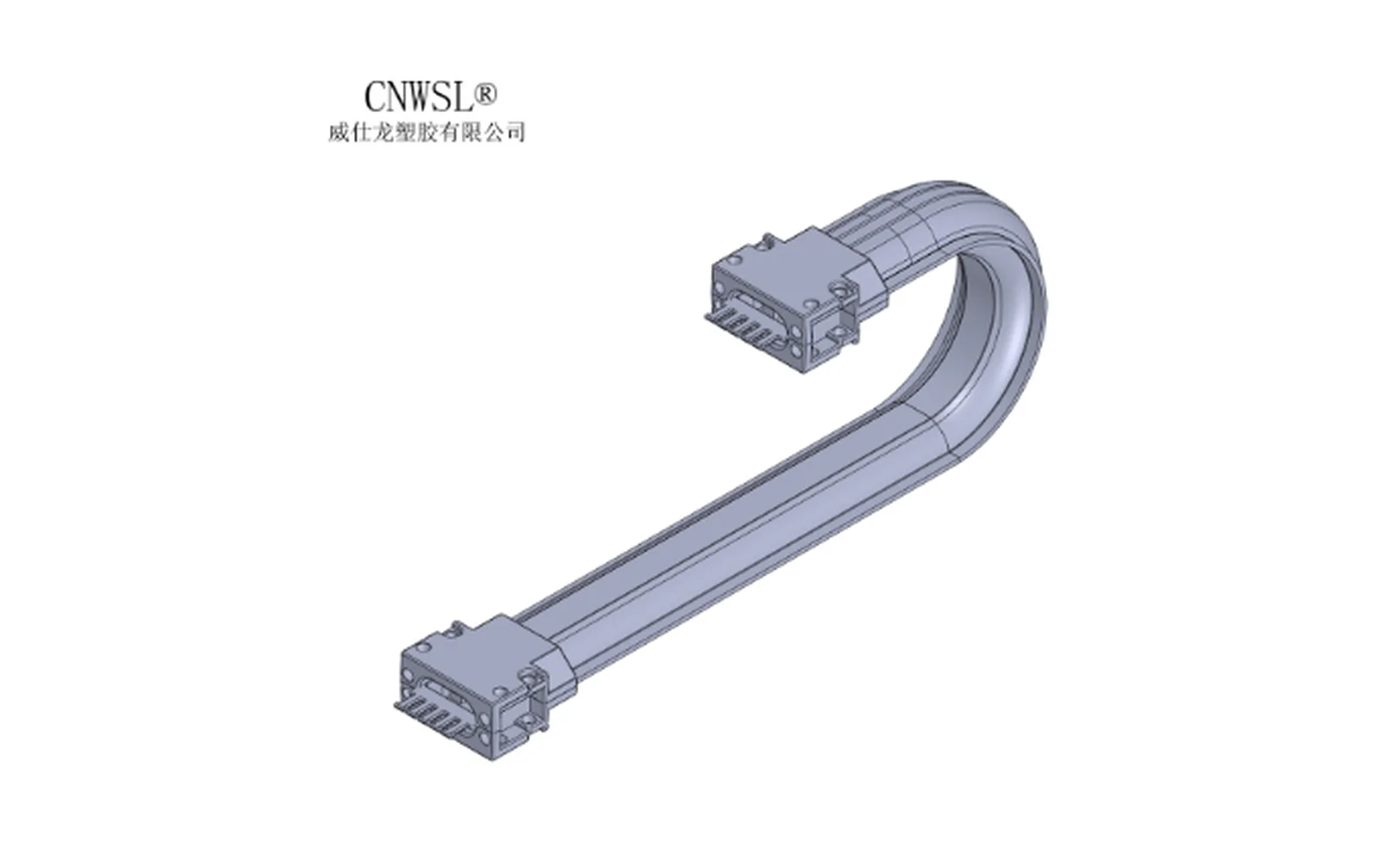
WWC15
Code H15
1 specs online →
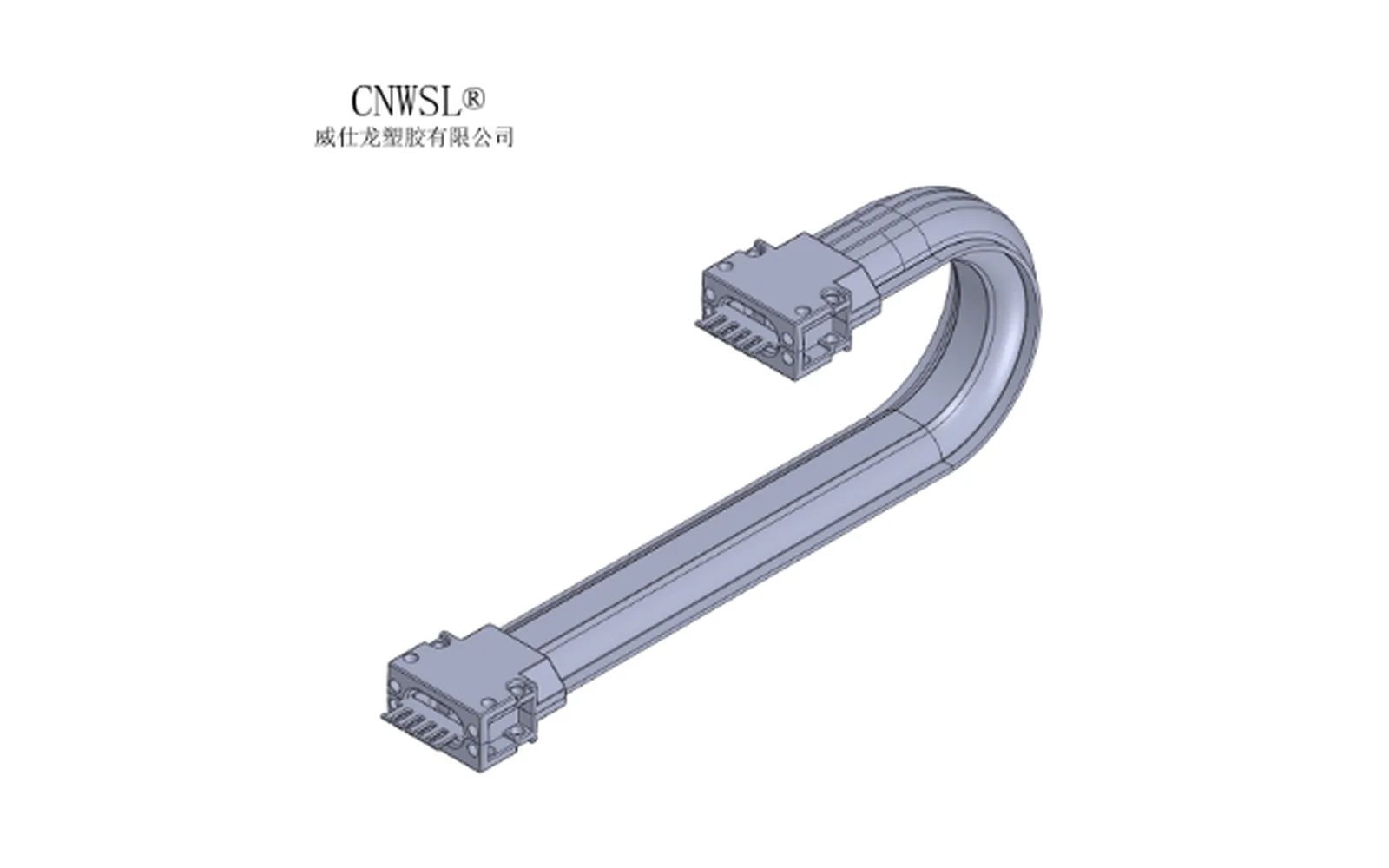
WWC18
Code H18
1 specs online →
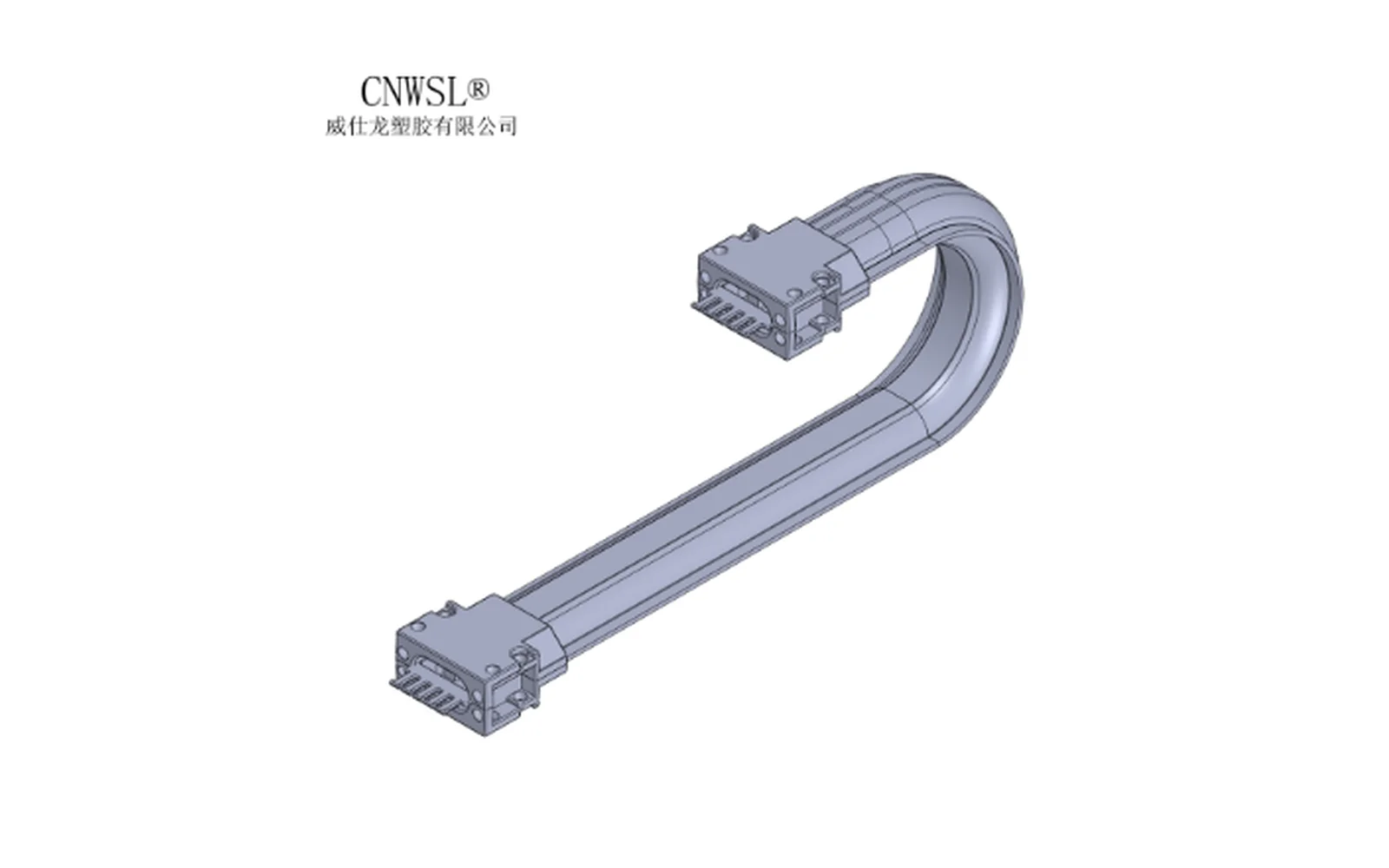
WWC22
Code H22
1 specs online →
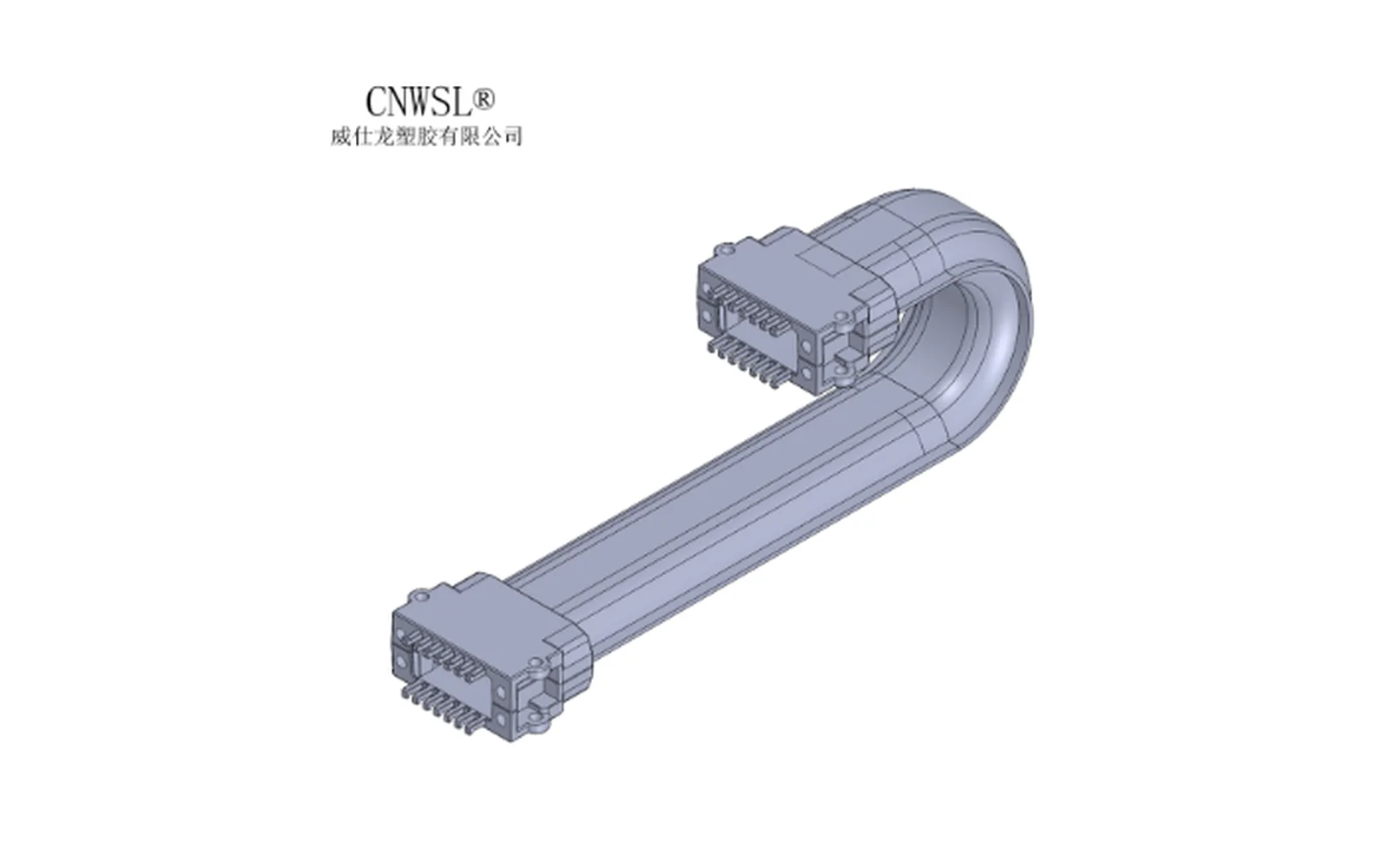
WWC28
Code H28
1 specs online →
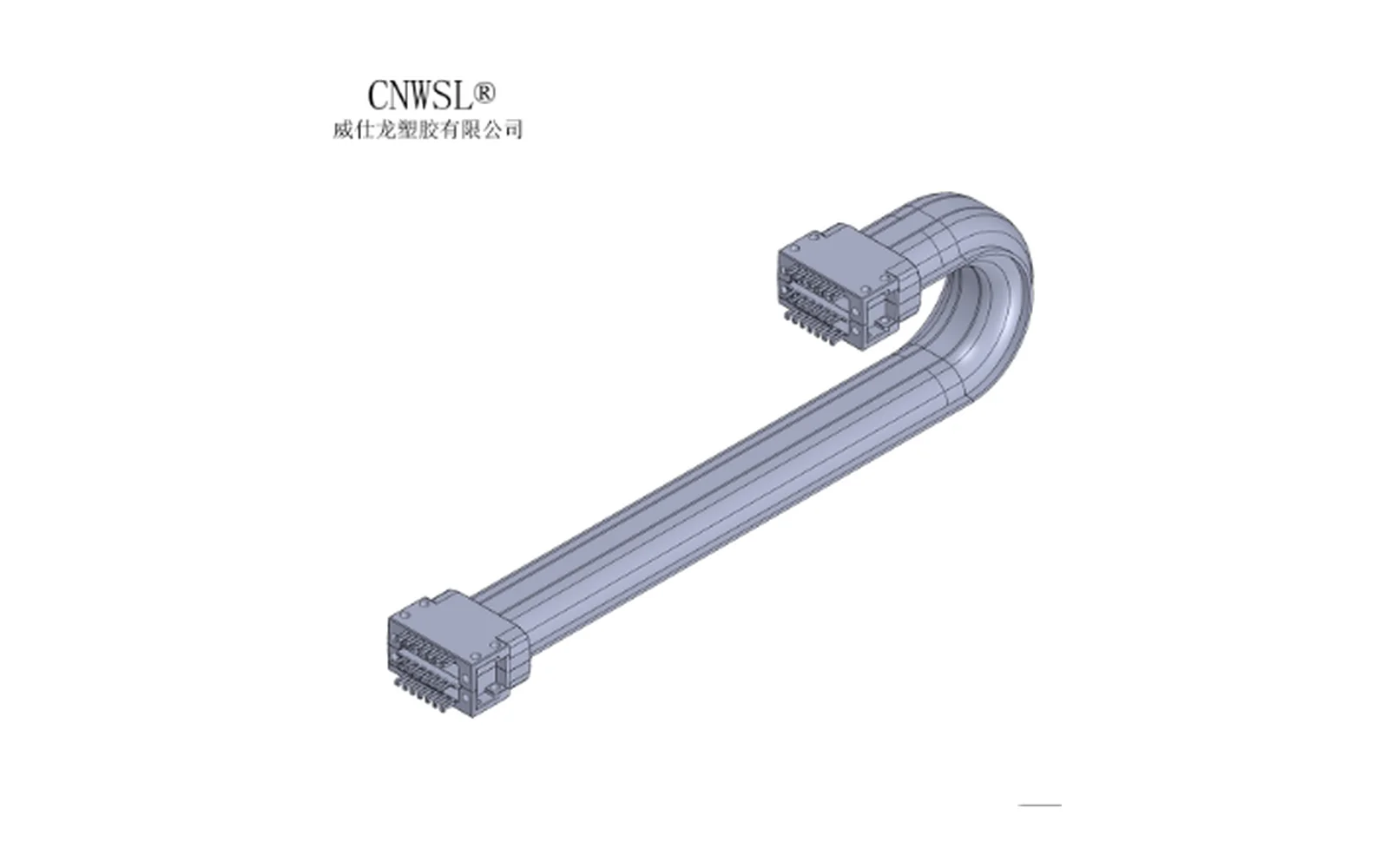
WWC35
Code H35
1 specs online →
WWC cleanroom carriers: controlling particle emission
Material first: TPU, not nylon
Standard nylon carriers shed particles continuously under dry friction. That is irrelevant in a machine shop and a contamination source in a cleanroom. The WWC series uses TPU, which emits little and needs no lubrication - that is the precondition for entering a cleanroom. The trade-off is real: TPU is less stiff than glass-fibre reinforced nylon, so unsupported span is limited, which is why WWC stops at R90 and covers short-travel, light-load precision equipment. Using it to replace a long-travel heavy carrier is the wrong direction.
Cleanliness class is an input, not an acceptance result
Cleanrooms are classified under ISO 14644-1 by particle concentration per unit volume, from ISO Class 1 to 9. The older US FED-STD-209E used Class 1 to 100000, where ISO Class 5 corresponds roughly to the old Class 100. Write the class, emission limit and life requirement into the technical agreement at the selection stage, not after installation. The class actually achieved must be confirmed against a test report for the specific batch - results vary with batch and operating condition, and no verbal assurance replaces a report.
Choosing among the five WWC sizes
Inner heights are 15, 18, 22, 28 and 35 mm, inner widths 25 to 65 mm, radii from R40 up to R90. Semiconductor front-end equipment tends toward 15 and 18; flat panel and pharmaceutical lines sit in the middle; 28 and 35 handle heavier bundles. Above about two metres of travel, or with a heavy bundle, add support or reconsider the approach - TPU's weight and stiffness rule it out for long spans. Installation note: no ordinary grease in a cleanroom, on the links or the cables.
At a glance
- Inner heights
- 15 / 18 / 22 / 28 / 35 mm (5 sizes)
- Inner widths
- 25-65 mm
- Bend radii
- R40 / R50 / R60 / R70 / R90
- Material
- TPU, lubrication-free, low emission
- Temperature
- -20°C to +120°C
- Series
- WWC15 / WWC18 / WWC22 / WWC28 / WWC35
Standard sizes shown. Confirm inner height, width and radius against the spec table for each part number; non-standard sizes are quoted separately.
Anti-static performance: measured by a third party
CTIA cleanroom carrier body sample was submitted to Centre Testing International (Guangzhou) and tested to ANSI/ESD S20.20:2021 for volume and surface resistance. Report No. A2260607033101E, issued on 28 July 2026. Averages across six measurement points:
Volume resistance
1.19×10⁶ Ω
Surface resistance
2.42×10⁶ Ω
- Test standard
- ANSI/ESD S20.20:2021
- Conditions
- (23±2)℃, (12±3)%RH, 48 h conditioning
- Test voltage
- 100 VDC, 15 s
- Equipment
- TREK 152-1 impedance tester, FHA328D dry cabinet
Note: this is a commissioned test and the results apply to the submitted sample only. It is not a certification of a complete machine or production line. The values above fall in the static-dissipative range; actual performance depends on grounding, mounting and the operating environment.
Download the full test report (PDF, 7 pages)Frequently asked questions
- Can it reach ISO Class 3?
- Achieving a class depends on the whole system, not the carrier alone: cables, fittings, installation and airflow all affect particle counts. Write the target class and measurement points into the technical agreement and confirm with a batch test report rather than inferring a class from the part number.
- Can it replace an imported cleanroom carrier?
- In standard duty, yes, provided interface dimensions, cleanliness class and life requirement are aligned and a small batch is validated. If the front-end tool already carries certifications, replacement goes through the customer's change process - no supplier can decide that alone.
- Does it need lubrication?
- No, and it must not have any. TPU links are self-lubricating; added grease becomes a source of emission and outgassing. Avoid oily cloths during installation and cleaning as well.
- How are test reports provided?
- Per batch, with the specific tests - emission, material, RoHS and others - agreed at order stage. Where customer audits are involved, state the required reports early so nothing is missing at shipment.