CNWSL Engineering
Cable carriers for injection moulding robots
Take-out robots run short, fast strokes beside the mould, with radiant heat and release-agent mist. Five points: cable OD, radius, noise, oil, mounting.
Read moreSelection guides, materials technology and application practice (21 articles)
Take-out robots run short, fast strokes beside the mould, with radiant heat and release-agent mist. Five points: cable OD, radius, noise, oil, mounting.
Read more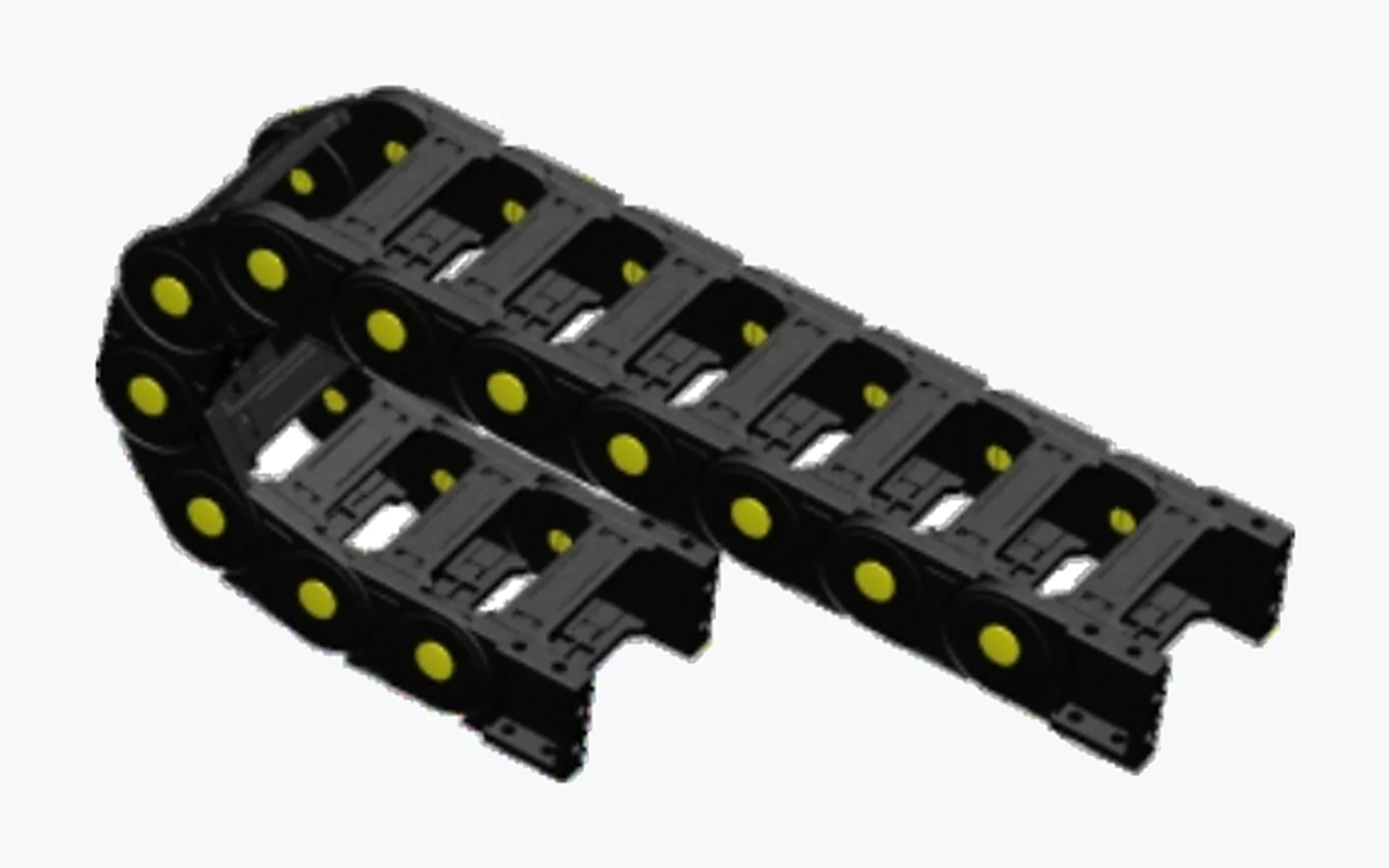
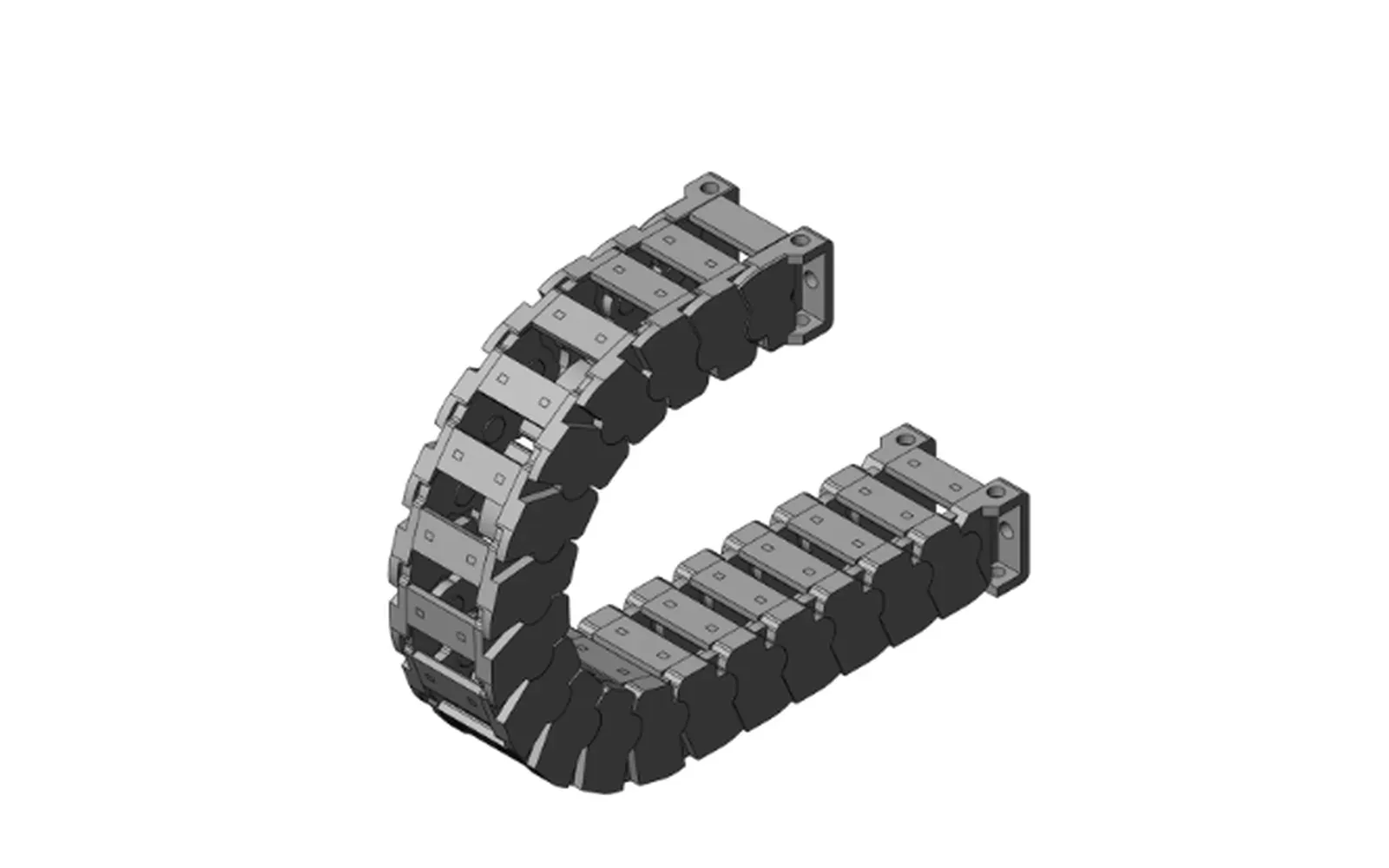
Cleanroom class counts particles, ESD counts charge. How to choose a resistance band, why black proves nothing, and why grounding fails.
Read more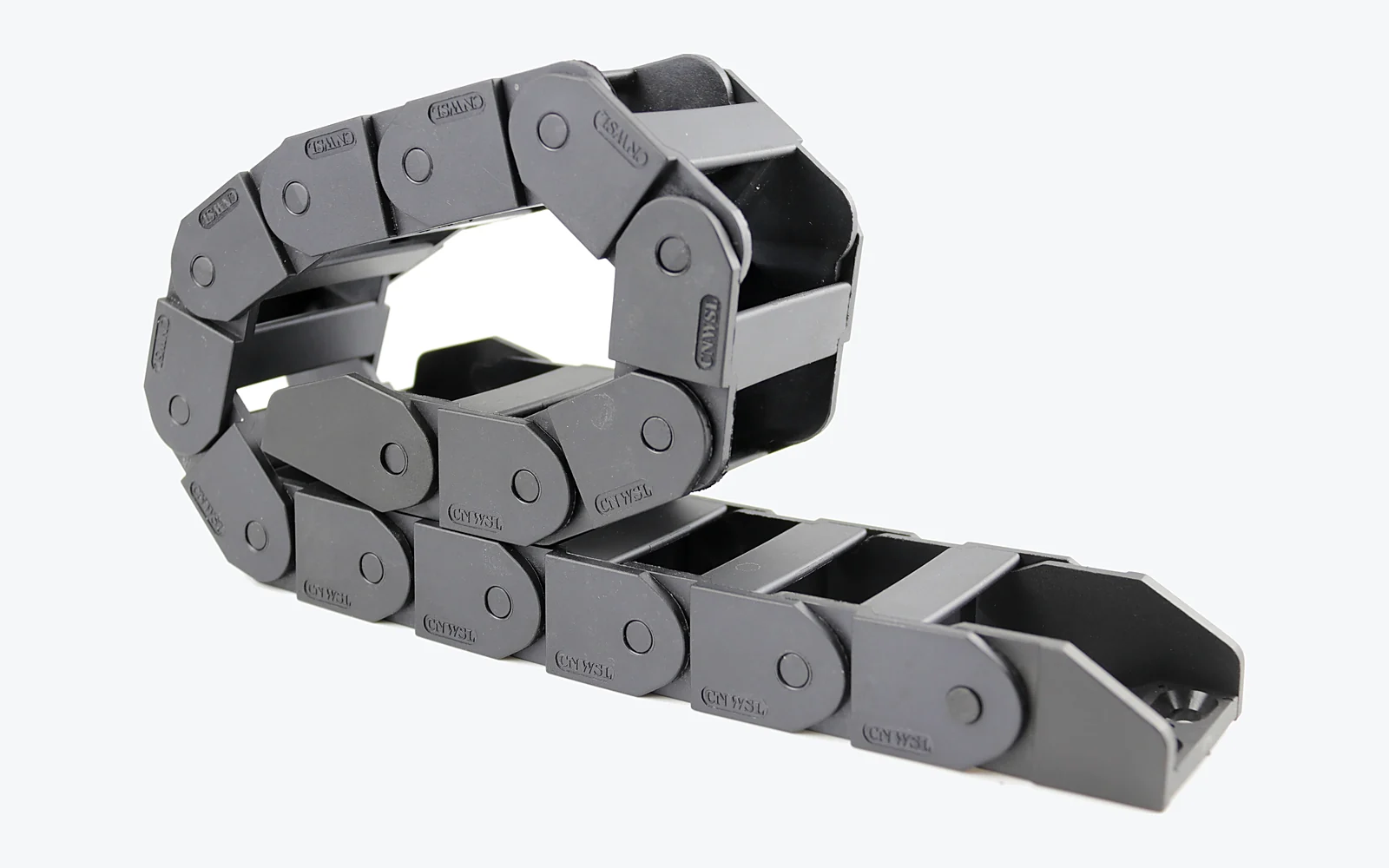
Width packs laterally, height stacks. How many layers are safe, what clearance each needs, when separators are mandatory, and how a short height fails.
Read more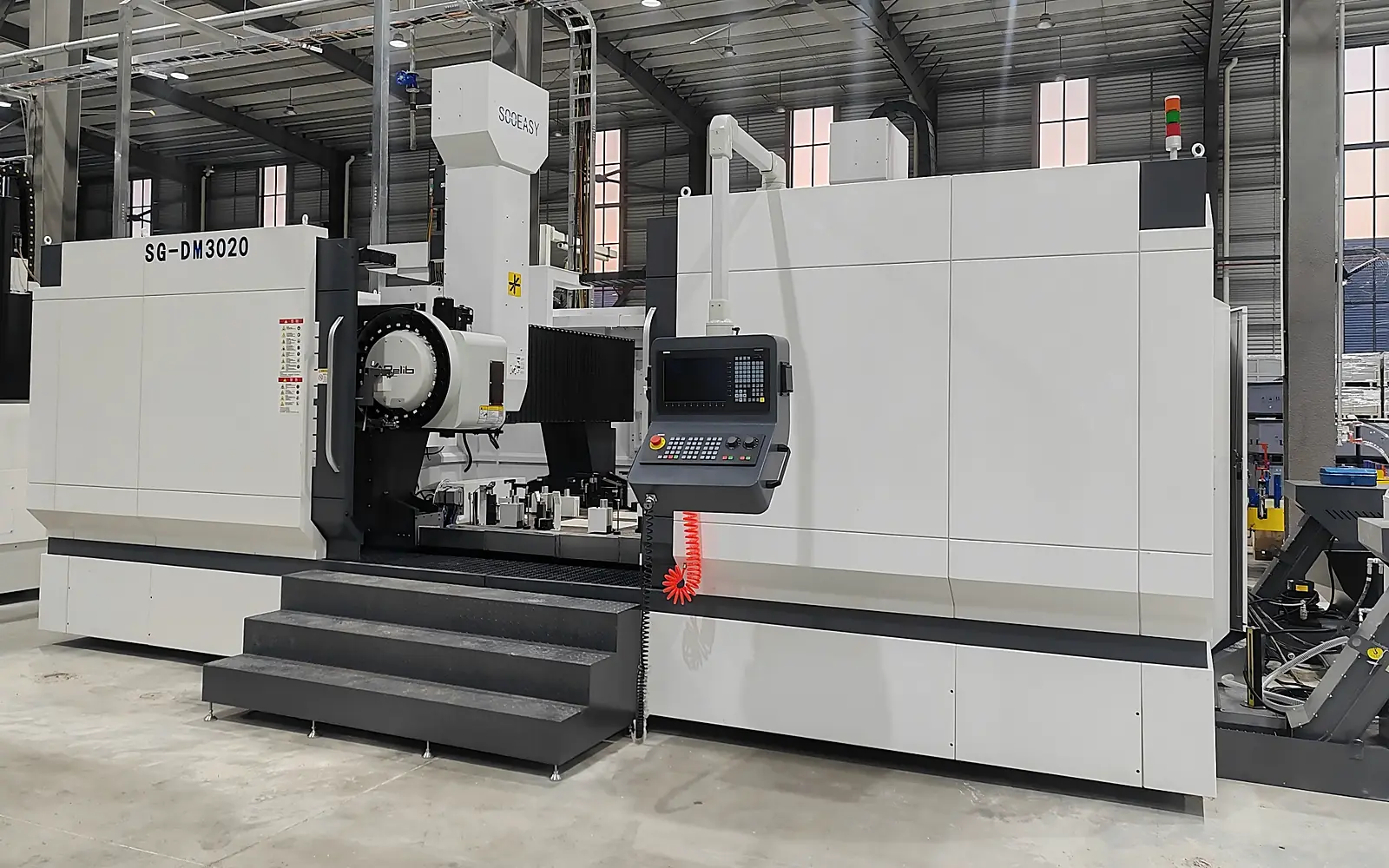
A gantry robot needs two or three chains, one per linear axis. How to size stroke, support, inner height and bend radius, and where noise comes from at speed.
Read more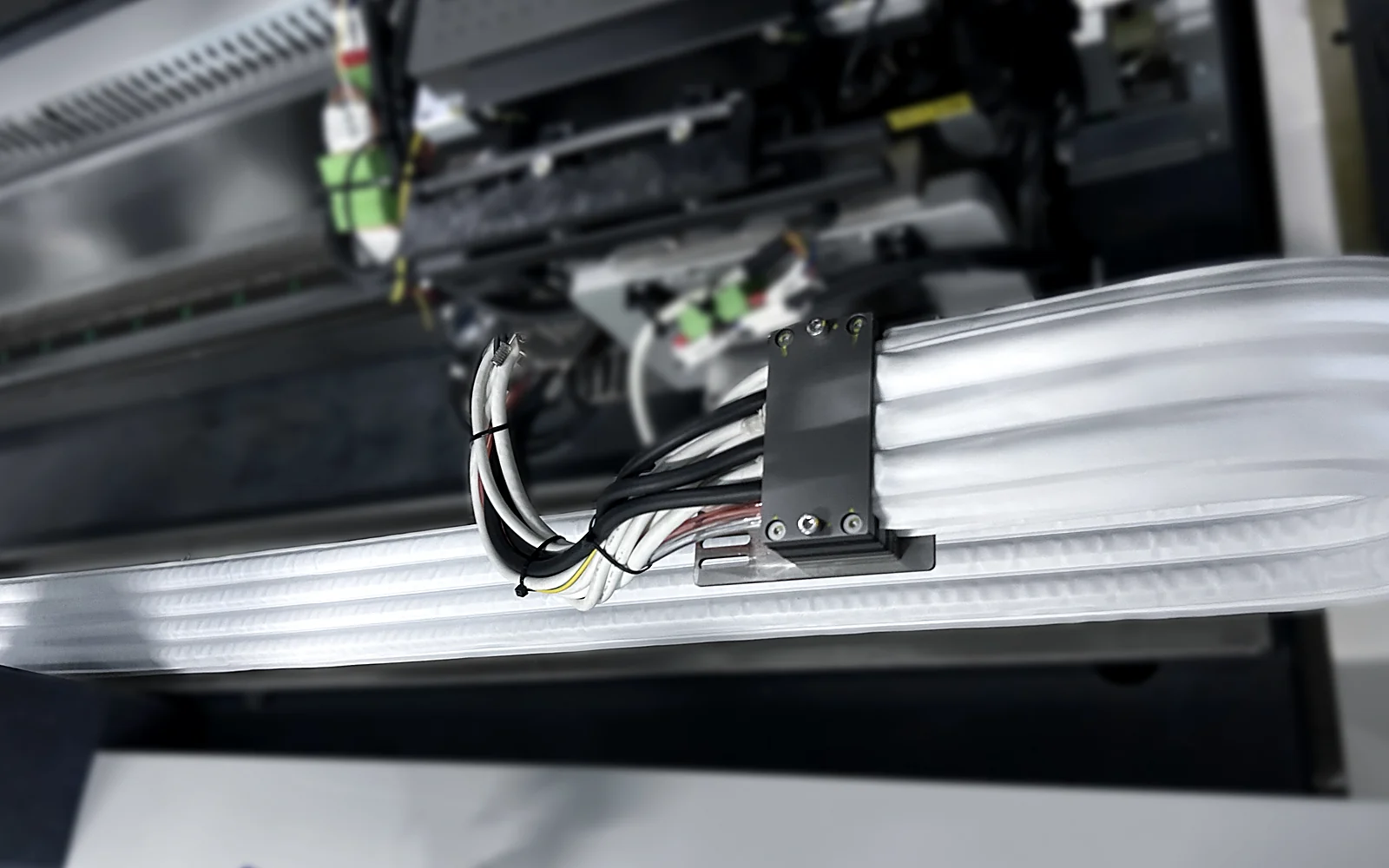
Cable carrier selection for wafer handling, EFEM, CMP and etch tools: cleanliness, chemical exposure, 24/7 duty, plus the WWC range and a quote checklist.
Read more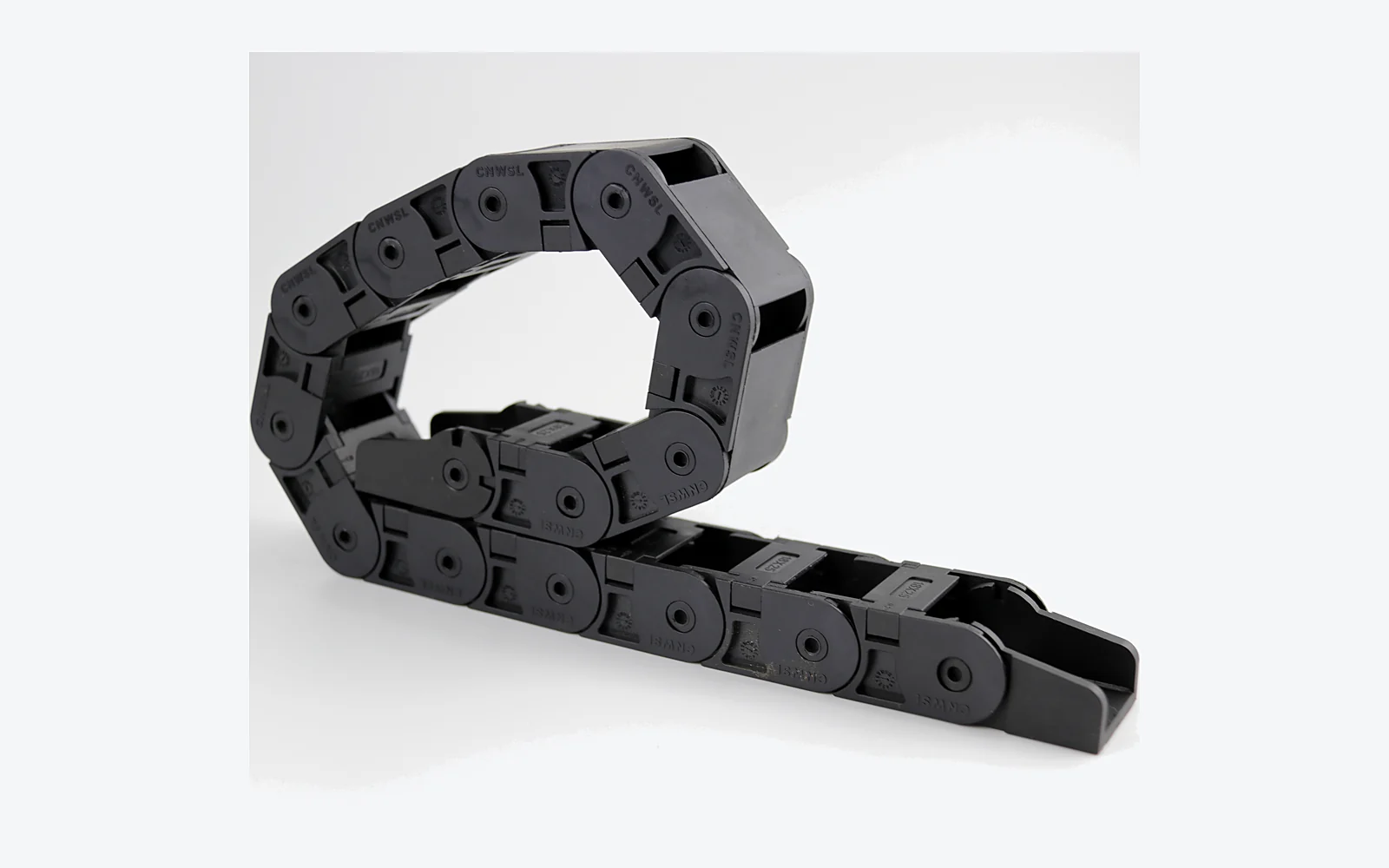
Cable carrier and tank chain are one part with two names. Trunking and conduit are different products. One question separates them: does the cable move?
Read more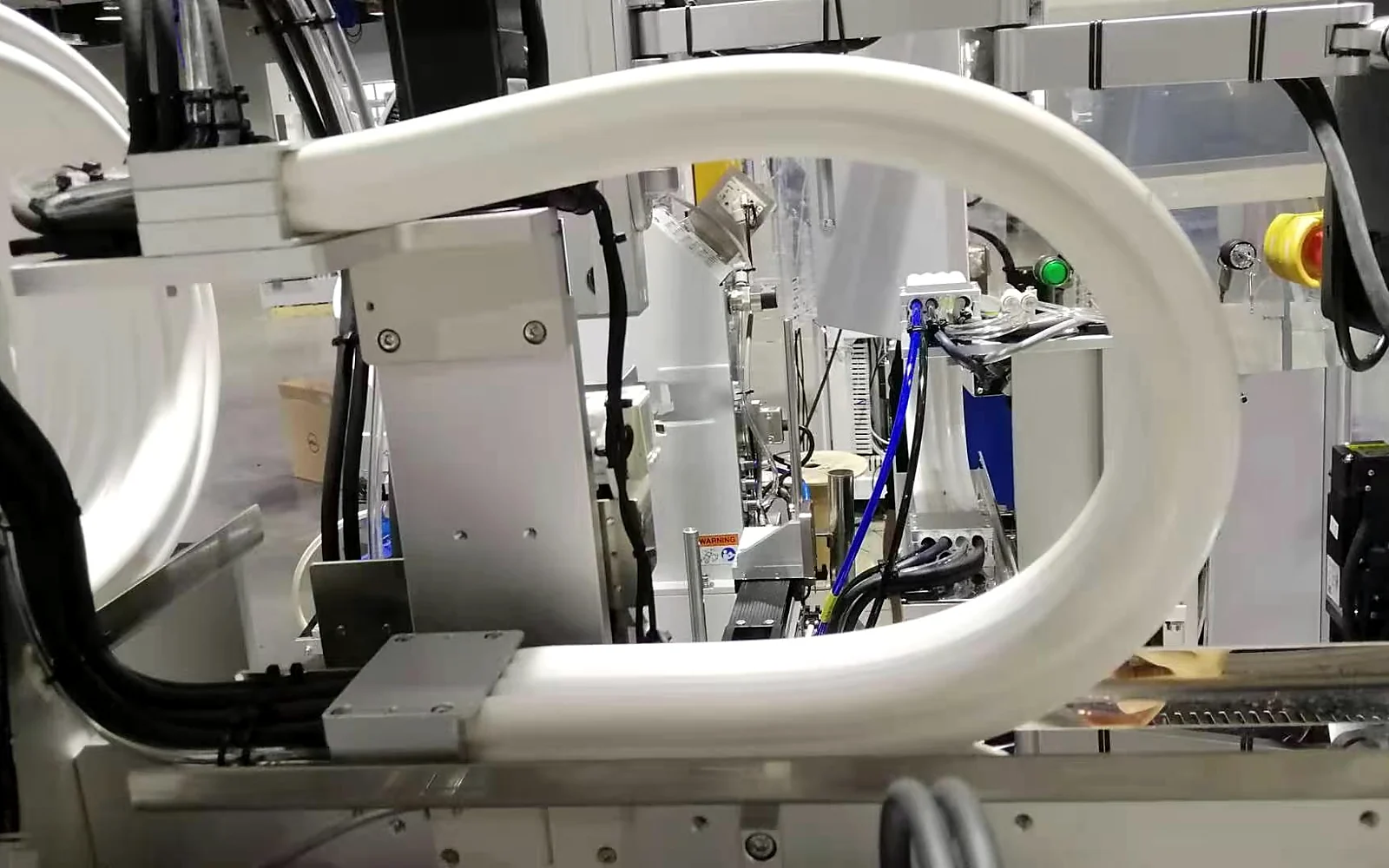
Robot arms only need cable carriers on linear axes. How to size inner height, width and bend radius, and cut noise on 7th-axis tracks and gantries.
Read more
Cable carrier selection for SMT and PCB equipment: cleanliness, short-stroke vibration, cable layering, bend radius and the WWC range.
Read more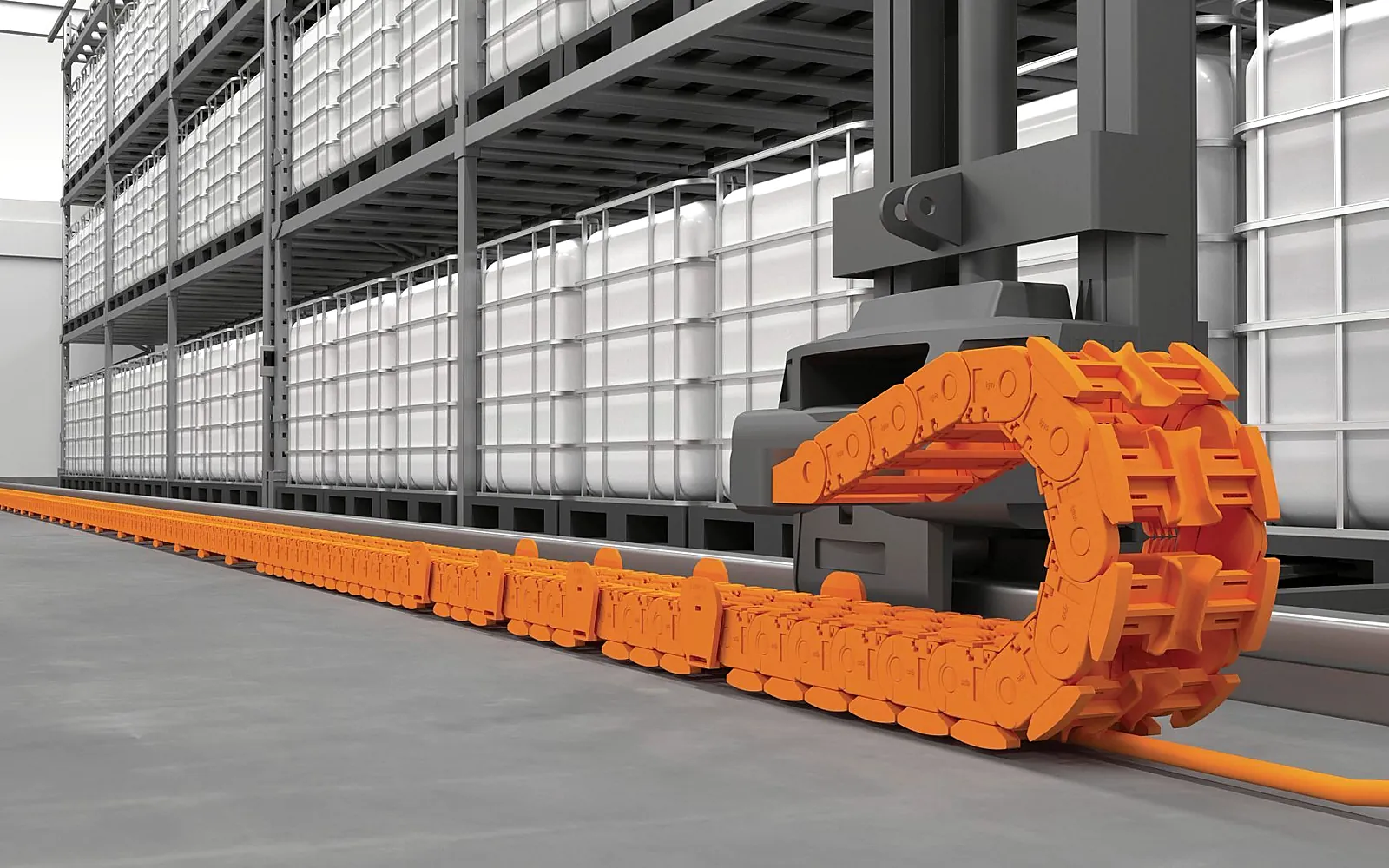
Cable carrier length is not half the stroke. Geometry, three fixed-end layouts, pitch rounding and mounting allowance, with a worked example.
Read more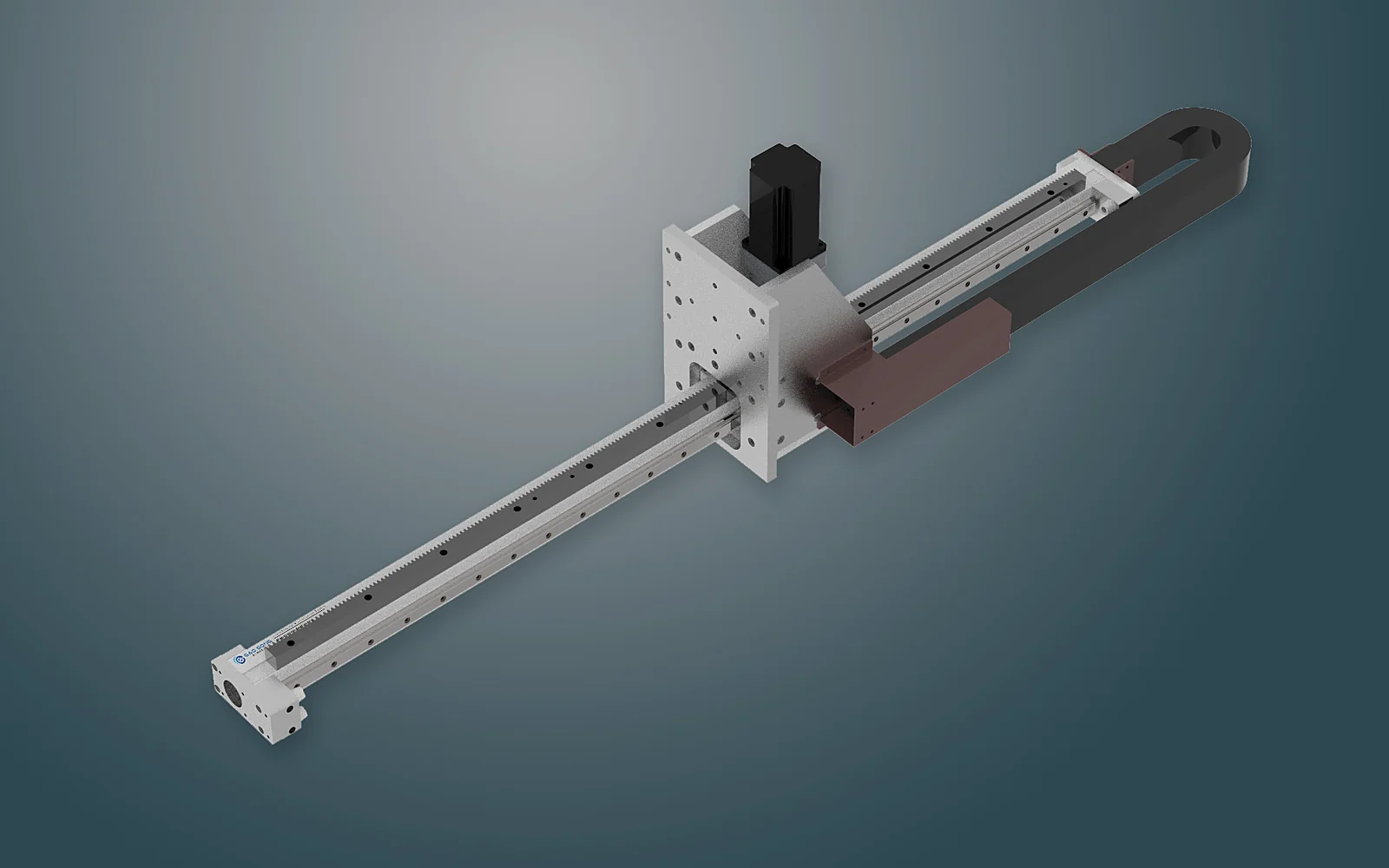
How to choose a cable carrier for a linear module: stroke, mounting height, pitch and bend radius, with the selection order and three common mistakes.
Read more